

1. Specialist expertise, not a generalist add-on
Look for a company where DG is the core business, not a bolt-on. Specialist-only providers carry deeper regulatory knowledge, more robust processes, and the ability to handle consignments that generalists decline. If a freight company leads with parcels and pallets, DG is not their priority.

2. Proven compliance across all transport modes
ADR governs road, IATA governs air, and the IMDG Code governs sea. Your provider should demonstrate competency across all three and be able to show, not just claim, how their team is trained and certified.
3. The ability to handle what others will not
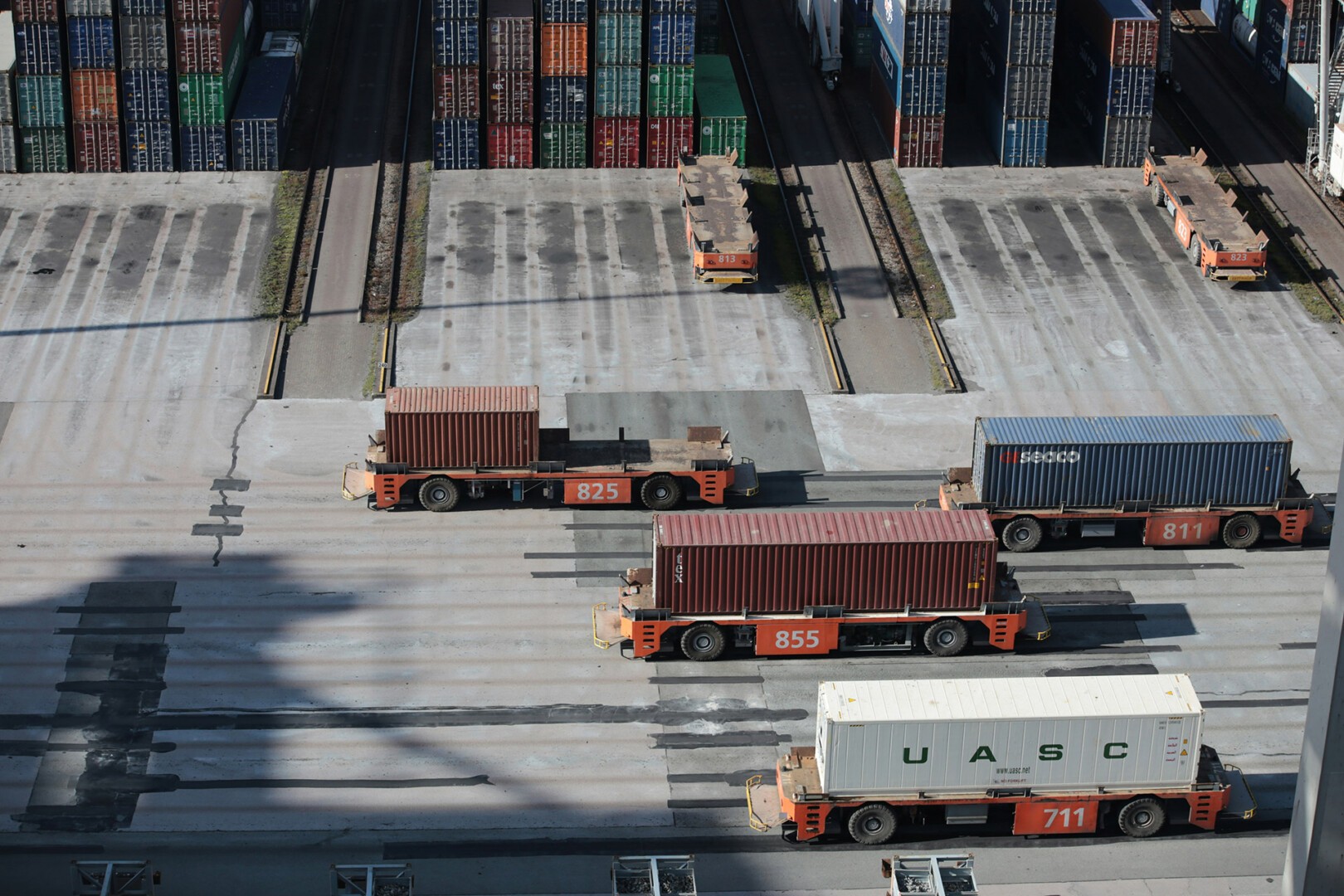
Certain DG categories, including Class 7 radioactive materials, explosives, and cryogenic goods, are routinely refused by standard couriers. A capable forwarder should have the licences, personnel, and vehicles to accept what others turn away. Find out before you need to.

4. Documentation rigour
Incorrect documentation is one of the most common causes of DG shipment delays. All required paperwork should be prepared in-house and in advance, with clear accountability when something needs amending at short notice.

5. A genuine point of contact
When a customs hold or time-critical issue arises, you need a real person who knows your consignment. Be cautious of providers where your shipment disappears into a large operation with no named contact.
6. Track record
Ask for evidence: years of operation, completed projects, and client references. DG Global Forwarding has operated for over 50 years and completed over 244,000 dangerous goods projects.